
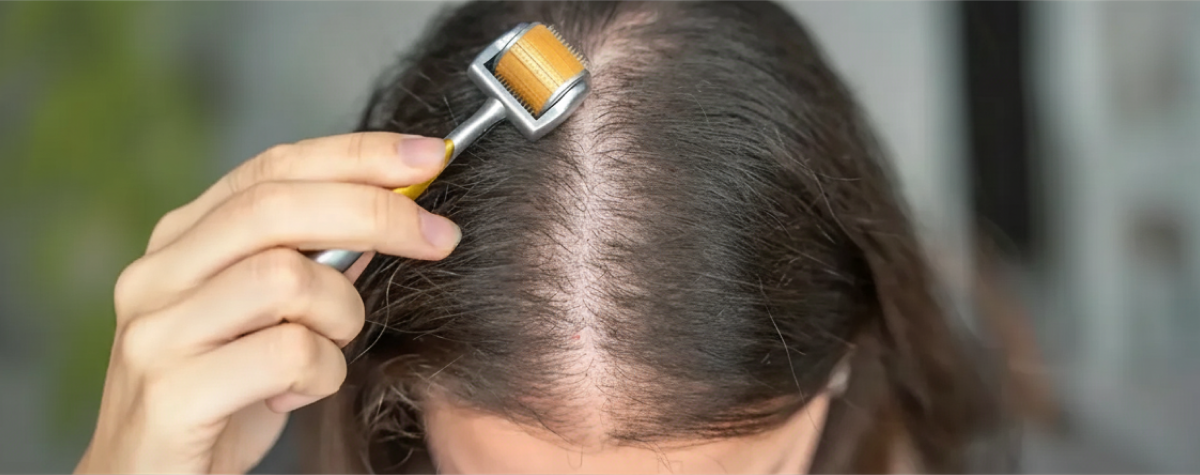
Hair loss is one of the most talked-about and misunderstood concerns in hair care. From miracle oils to overnight regrowth claims, myths about hair loss are everywhere. This often leads to confusion, frustration, and wasted time on treatments that don’t work.
In this guide, we separate hair loss myths from facts, explain what truly helps with hair thinning and shedding, and highlight evidence-based approaches that support long-term hair health.
Why So Many Hair Loss Myths Exist
Hair loss affects both men and women and can have a strong emotional impact. This makes people more likely to believe quick fixes or dramatic promises. Social media, unverified testimonials, and misleading marketing further blur the line between science and speculation.
The reality is that hair loss is complex. It can be influenced by genetics, hormones, stress, nutrition, scalp health, and medical conditions not just one single factor.
Common Hair Loss Myths vs Facts Explained
Myth 1: Washing Your Hair Too Often Causes Hair Loss
The myth:
Many people believe frequent hair washing leads to hair fall because they notice loose strands in the shower.
The fact:
Shampooing does not cause hair loss. The hairs you see during washing were already in the natural shedding phase of the hair growth cycle. In fact, regular washing helps maintain a clean, healthy scalp, which is essential for strong hair growth. Poor scalp hygiene can actually worsen hair thinning.
Myth 2: Hair Loss Only Affects Men
The myth:
Hair loss is commonly associated with male pattern baldness.
The fact:
Hair loss affects both men and women. Women often experience thinning at the crown, reduced density, or widening part lines rather than a receding hairline. Hormonal changes, stress, nutritional deficiencies, and genetics all contribute to female hair loss, which is often underdiagnosed.
Myth 3: Hair Oils Can Cure Hair Loss
The myth:
Natural oils are frequently promoted as complete solutions for hair regrowth.
The fact:
Hair oils can improve scalp hydration, reduce dryness, and enhance hair texture. However, they cannot reverse genetic hair loss or stop follicle miniaturisation. Oils support scalp health but should be seen as part of a wider hair care routine, not a standalone cure.
Myth 4: Hair Loss Is Always Permanent
The myth:
Once hair starts falling out, many assume it will never grow back.
The fact:
Not all hair loss is permanent. Temporary shedding can occur due to stress, illness, hormonal changes, nutritional deficiencies, or seasonal factors. Once the underlying cause is addressed, hair often regrows naturally. Progressive hair loss conditions, however, require early intervention to slow or manage thinning.
Myth 5: Hair Transplants Are the Only Effective Solution
The myth:
Surgery is often seen as the only treatment that truly works.
The fact:
Many people respond well to non-surgical hair loss treatments, particularly when hair loss is identified early. These treatments focus on strengthening existing follicles, improving scalp health, and encouraging natural regrowth. Hair transplants are typically considered when hair loss is more advanced.
Myth 6: Stress Has No Impact on Hair Loss
The myth:
Stress is often dismissed as a minor or unrelated factor.
The fact:
Physical or emotional stress can significantly disrupt the hair growth cycle. High stress levels can push hair follicles into the resting phase, leading to noticeable shedding weeks or months later, a condition known as telogen effluvium. Managing stress is an important part of supporting hair recovery.
Myth 7: Supplements Alone Can Regrow Hair
The myth:
Hair supplements are often marketed as quick fixes.
The fact:
Supplements can help if a nutritional deficiency exists, but they cannot regrow hair on their own. Effective hair regrowth usually involves a combination of scalp care, targeted treatments, and lifestyle support. Supplements work best when guided by professional advice.
Myth 8: Hats and Helmets Cause Permanent Hair Loss
The myth:
Wearing hats is believed to suffocate hair follicles.
The fact:
Hats do not cause permanent hair loss. However, very tight headwear can cause friction and scalp irritation, leading to breakage. Keeping the scalp clean and avoiding tight styles helps protect hair health.
What Really Works for Hair Loss?
Early Identification
Understanding the type and cause of hair loss is essential. Shedding, thinning, and pattern hair loss each require different approaches.
Scalp-Focused Care
Healthy hair starts with a healthy scalp. Treatments that reduce inflammation, improve circulation, and nourish follicles create the right environment for growth.
Clinically Backed Treatments
Evidence-based treatments support follicle strength, reduce excessive shedding, and encourage regrowth over time.
Consistency and Patience
Hair regrowth is gradual. Results typically appear over several months and improve with consistent care.
When Should You Seek Professional Advice?
Consider seeking professional guidance if:
- Hair loss continues for several months
- Thinning becomes more noticeable
- Hair shedding affects confidence or wellbeing
- Home remedies aren’t delivering results
Early assessment can help identify the most effective treatment path and prevent further progression.
Trust Facts Over Fixes
There are no genuine overnight cures for hair loss. Understanding the difference between myths and facts allows you to make informed decisions, avoid ineffective treatments, and focus on solutions that are supported by evidence.
By prioritising scalp health, early intervention, and clinically guided care, it’s possible to manage hair loss effectively and protect long-term hair growth.